6 July 2026

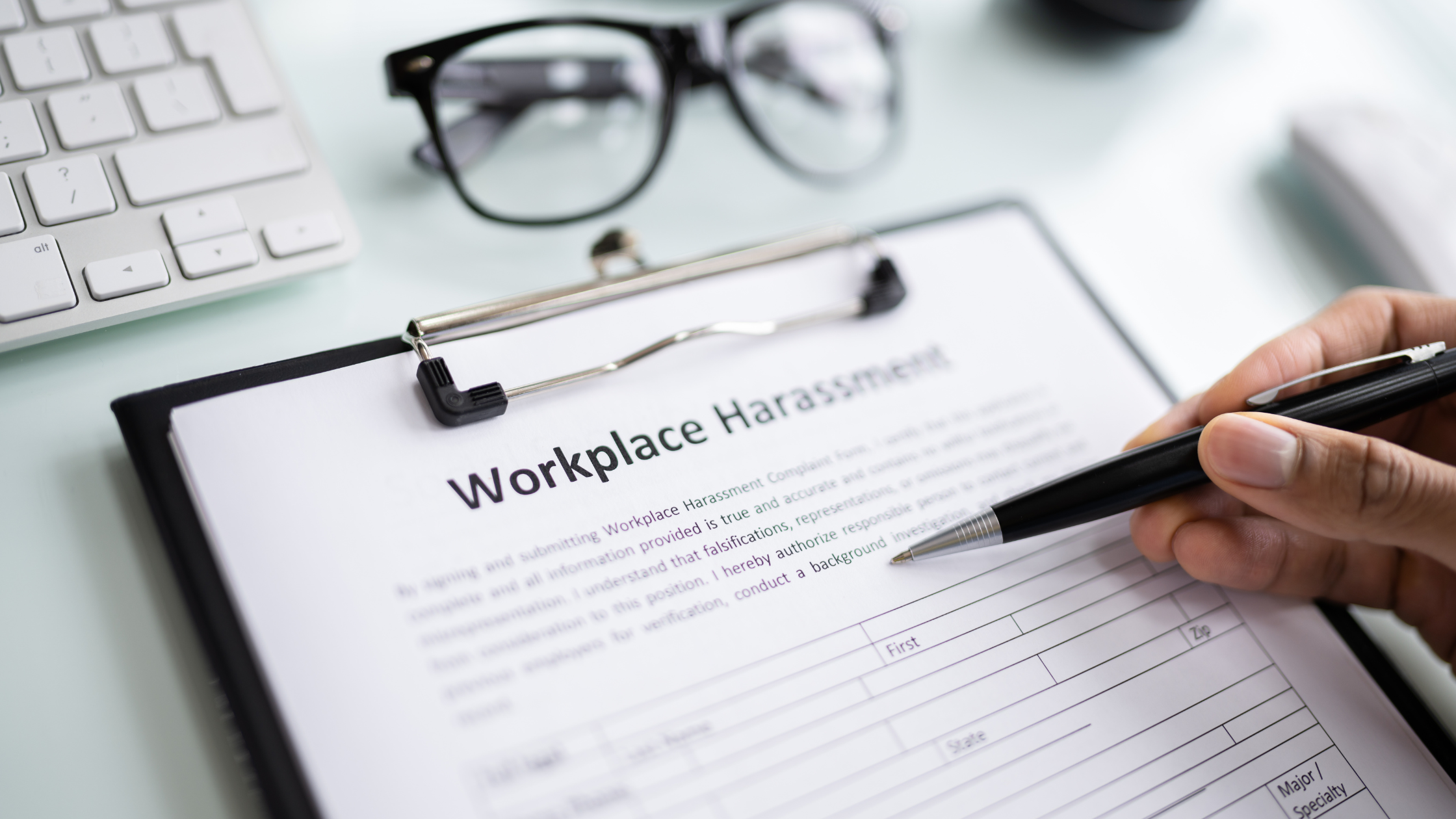
Most employers in the accounting and legal sectors know sexual harassment is a legal risk to their firm, but fewer can say exactly what they have actively done to address recent changes to the law.
This gap in their compliance has never mattered more, because two separate reforms have landed in the space of eighteen months and treating them as one change is how firms end up under-prepared.
In our conversations with firms in the last two years, we know that many practices have genuine concerns about their lack of compliance with the prevention of sexual harassment rules. So, what should they do to address it?
From 26 October 2024, employers have had a legal duty to take reasonable steps to prevent sexual harassment of their workers.
This duty came from the Worker Protection (Amendment of Equality Act 2010) Act 2023 and it covers harassment from colleagues in the course of employment.
The Employment Rights Act 2025 is a different piece of legislation and it has added new, stricter obligations to employers.
Since 6 April 2026, sexual harassment became an explicit qualifying disclosure under whistleblowing law.
In practical terms, that means a worker who reports sexual harassment can now benefit from whistleblowing protection against detriment and unfair dismissal, provided the usual tests for a protected disclosure are met.
A third change is still to come and from 30 October 2026, the preventive duty itself gets stronger, moving from “reasonable steps” to “all reasonable steps” and employer liability extends to harassment from third parties more explicitly.
Firms that only fixed their policies for the 2024 duty have two more key legislative changes to manage and they can’t afford to get it wrong.
This is where a lot of the current commentary overstates the position, as reporting sexual harassment does not automatically hand a worker whistleblowing protection.
The disclosure still has to meet the standard tests that apply to any protected disclosure. This means that the worker must reasonably believe the harassment has occurred, is occurring or is likely to occur and the disclosure has to be made in the public interest.
That’s a meaningful bar, not just a formality. It matters for how firms train managers to respond, because the instinct to treat every complaint as automatically protected, or conversely to assume protection only applies once harassment is proven, both lead to the wrong response.
One point worth addressing directly is the myth that colleagues being able to report harassment on someone else’s behalf is new – it isn’t.
Whistleblowing law has never required the person raising a concern to be the victim of the wrongdoing. What’s changed is that this route is now unambiguously available for sexual harassment specifically, where previously it depended on stretching the disclosure into a breach of a legal obligation or a health and safety issue.
Whistleblowing claims carry no cap on compensation and no minimum length of service, so the financial exposure for getting the response wrong is considerably higher than a standard grievance.
An employee treated unfairly because they reported harassment can bring a claim for unfair dismissal or detriment and injury to feelings awards sit on top of that.
Where a sexual harassment claim reaches an Employment Tribunal under discrimination law, the tribunal can also examine whether the employer met its preventive duty.
If it didn’t, compensation can be increased by up to 25 per cent. This uplift sits under the Worker Protection Act framework rather than the whistleblowing regime, but the two now reinforce each other.
So, a firm that hasn’t taken reasonable steps to prevent harassment is exposed on two fronts at once, not just one.
Legislation in the area of sexual harassment is moving faster than most workplace training curriculums and that’s creating unnecessary risks in too many firms.
That’s not a criticism, it’s just the practical reality of two reforms landing so close together, with further changes on the way. A few patterns show up repeatedly in firms that haven’t adjusted yet.
Managers sometimes treat a sexual harassment complaint as a routine grievance without recognising it may now carry whistleblowing protection.
Responding informally or dismissively in that situation is exactly the kind of detriment the law is designed to catch.
Regulators and tribunals also look for evidence that an employer took the preventive duty seriously, which is where structured, regularly refreshed training provides clear evidence.
There’s a workforce-wide gap too. Many employees still don’t know that reporting sexual harassment now sits within whistleblowing protection, which means the safeguard exists on paper without doing much to encourage people to come forward in practice.
Employer responsibility for preventing sexual harassment has expanded twice already and is about to expand again in October 2026.
Firms that treat this as a single compliance exercise completed back in 2024 are working from an outdated outlook and it shows up fastest in how managers actually respond when something is reported.
Our eLearning compliance platform works with businesses to close that gap through training that reflects the law as it stands now rather than as it stood two reforms ago, which can all be evidenced and demonstrated to regulators with a click of a button.
Want to give The Professional Alternative a try to see how it can close the gaps in your compliance?
We are running a free 30-day trial until 31 August, so get in touch with us via email by contacting jackconstant@theprofessionalalternative.com to get onboarded right away.